

The four shifts since 2024
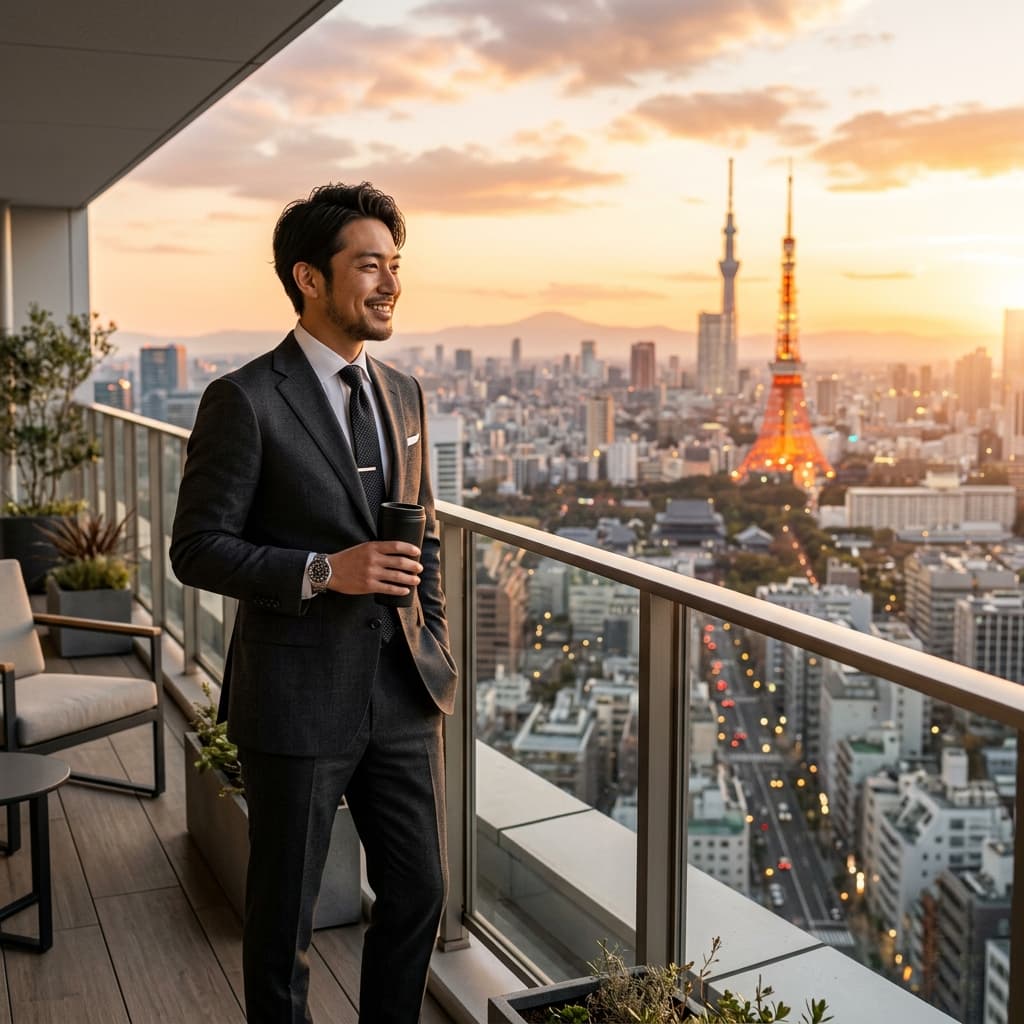
- AI-generated identity-matched imagery went mainstream. Putting your actual face into photoreal future scenes used to mean a research lab or hours of Photoshop. AI image models now do it from one selfie.
- Phone wallpapers became the dominant surface. A phone is picked up many times a day; a corkboard is seen a few times. That made the lock screen the obvious primary surface, with physical boards as a supplement.
- Manifestation went mainstream. Cambridge Dictionary named "manifest" Word of the Year 2024. Canva newsroom reported vision-board creations grew 13% YoY in 2025. The practice is no longer fringe.
- Tone moved from earnest to grounded. Gen Z's framing - lucky girl syndrome, "main character energy," manifestation-with-receipts - is less Secret-era earnest and more pragmatic about the actual psychology.
The 5-8 life domains that compound
A good board covers a handful of specific life areas. Common ones:
- Wealth and financial freedom - the largest single domain. See wealth audience page.
- Career and entrepreneurship - second-largest, especially heavy among founders. See entrepreneur audience page.
- Love and relationships - soulmate, family, shared futures. See couples audience page.
- Health and body - increasingly framed as "feeling at home in your skin" rather than just weight loss. See health audience page.
- Identity and personal growth - the "who I'm becoming" layer. Highest growth among Gen Z and transition users.
- Travel + lifestyle - usually secondary to a primary domain rather than standalone.
- Family and home - settled environment, the daily texture of life.
- Spirituality or service - increasingly common as a balancing domain among high-performers.
Pick 5-8. Avoid the "include everything" trap - dilution kills vision boards faster than any other failure mode.
The new-year stack
- Source: AI-generated identity-matched imagery. A photoreal scene of YOU in each of the 5-8 domains. Purpose-built tools need no prompting; general-purpose tools (Midjourney, ChatGPT) give more control and need more work per scene.
- Daily exposure: phone lock screen. It is where you look most often. Set the board as your wallpaper.
- Ritual layer: something physical. A board you print at home, or one of our free printable templates, if making something by hand matters to you.
- Verbal layer: personalized affirmations. Pair the visual with text - our free Mantra Generator produces 7 personalized identity-framed affirmations matching your tone.
- Practice layer: 10 minutes daily. A short morning ritual of looking at the board + 3-5 minutes of scripting or quiet visualization.
- Refresh cadence: when you stop seeing it. A wallpaper you no longer notice has stopped working. A seasonal refresh is a simple default.
When to build your new-year board
- The start of a new year: The most popular time. Motivation is high and plans are still vague. Risk: building too fast and including everything.
- February-March: Better window. Resolutions have already failed for most; the people still focused are the ones who'll actually use the board. Quieter, more deliberate creation.
- Spring equinox (March): Natural energetic reset. Many serious practitioners refresh here rather than at New Year.
- Mid-year (June-July): Optional refresh. Useful if first-half-year revealed a different direction than expected.
- September: Fall reset, especially relevant for parents (school-year transition) or career people (Q4 planning).
- Every year after: This page is about the start of any year, not one in particular. When the year turns, keep the goals still in progress, drop the ones that are done or no longer yours, and make a fresh board for what is next.
- Any time: The honest answer. There is no "wrong" month. Major life shifts (engagement, breakup, layoff, baby, recovery) warrant immediate board work regardless of calendar.
What's changed about how people fail
- Building a TikTok-aesthetic board, not a personal one. Some new-year boards optimize for shareability over personal resonance. The board that goes viral may not be the one that moves you.
- Confusing AI-generated stylized art with manifestation imagery. Lensa-style cyberpunk avatars are fun; they don't activate the identity-recognition mechanism. Photoreal beats stylized.
- Treating the AI as the magic. AI removed the friction; it didn't change the mechanism. Visualization still has to be paired with action.
- Skipping the boring stuff. Specific health, savings, daily rhythm - the unsexy domains compound the most. The aesthetic boards skip these; effective boards include them.
- Updating the wallpaper without updating the practice. A new wallpaper without a refreshed daily ritual is decoration. The practice is what compounds.